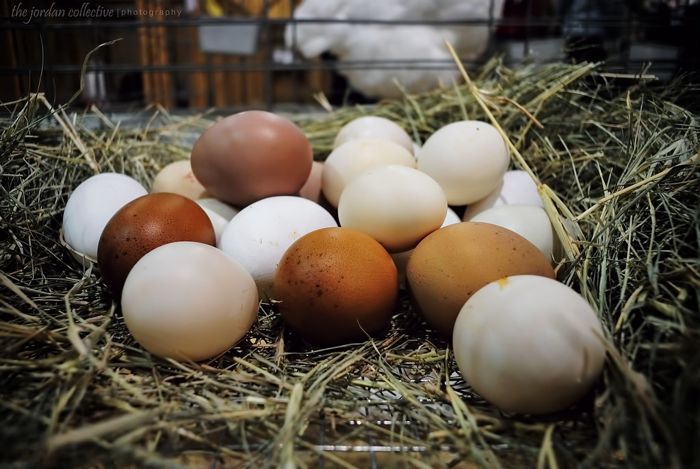
Why Did My Hens Stop Laying? 9 Causes and Fixes
In 9 cases out of 10, a laying strike is not illness — it’s light, age, molt, feed, or a hidden nest. Work the checklist below in order; most flocks are back in the nest box within 2–4 weeks once the real cause is fixed.
Yesterday there were eggs. Today, nothing — and it has been a week. Before you panic (or price replacement pullets), know this: hens are seasonal, light-sensitive layers, and a pause is usually your flock responding to something specific. Here are the nine causes we check first at Cluckingham Palace, in the order we check them.
1. Shorter days
Hens need roughly 14 hours of light to keep laying. As days shrink in fall and winter, production slows or stops entirely. Fix: accept a natural rest (healthiest long-term) or add a warm-white light on a timer in the early morning — never leave lights on all night.
2. The fall molt
Once a year, usually in autumn, hens shed and regrow feathers — and growing feathers takes the protein that would have made eggs. Fix: switch to a higher-protein feed (18–20%) during the molt, add protein-rich treats like mealworms, and handle birds gently; new pin feathers are tender.
3. Age
Layers peak in their first two years and taper about 15–20% each year after. A five-year-old hen laying half-time is normal, not broken. Fix: none needed — but stagger your flock’s ages so you always have young layers coming on.
4. Heat or cold stress
Heat waves knock laying down fast; deep cold diverts energy to staying warm. Fix: shade, cool water, and ventilation in summer; a dry, draft-free (but ventilated) coop and extra evening scratch in winter.
5. Feed and calcium shortfalls
Too many treats dilute the balanced nutrition in layer feed, and low calcium means soft shells — or no shells. Fix: keep treats under 10% of the diet, feed a proper layer ration, and offer oyster shell free-choice in its own dish.
6. A broody hen (and her recruits)
A broody hen parks on the nest day and night and stops laying — and her stubbornness is contagious. Fix: break broodiness with a wire-bottom broody breaker crate for 2–3 days, or let her hatch if you want chicks.
7. A hidden nest
Free-range hens are champion egg-hiders: under the porch, in the hay, behind the feed bins. Fix: keep hens in until late morning for a few days, check the usual hideouts, and make nest boxes dark, quiet, and inviting with a fake egg or two.
8. Stress and predators
A raccoon visit, a new dog, a coop move, or a flock shake-up can pause laying for days. Fix: restore routine, lock down predator gaps, and give the flock a quiet week.
9. Illness or parasites
Mites, lice, worms, and respiratory illness all steal eggs. Fix: do the 5-minute health check — vent, feet, comb, crop, droppings — and check under roosts at night with a flashlight for mites. Treat what you find; our Health & First Aid library walks through each one.
The 10-minute ‘why no eggs’ checklist
- Count daylight hours — under 14? It’s probably light.
- Feathers everywhere? It’s the molt — raise protein.
- Search the yard’s hidey-holes for a secret nest.
- Check the treat ratio and the oyster shell dish.
- Night-check for mites; morning-check for broodies.
- Still nothing after 3 weeks? Work through the Health library.